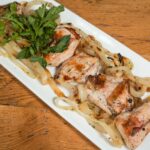


When This Dish Comes Up in Conversation, Most People Think of a Simple Skewered Meat.
But the term “en kebab” often refers to a broader spectrum of preparations, a culinary lineage stretching back through millennia. As of June 2026, its ubiquity across continents is undeniable, yet its deeper cultural significance and diverse forms are frequently overlooked. This guide delves into the authentic story of en kebab, moving beyond the fast-food perception to explore its historical roots, regional evolutions, and the artistry behind its preparation.
Last updated: June 6, 2026
- En kebab has ancient origins, evolving from early methods of cooking meat over open flames.
- The term encompasses a vast array of dishes, not just skewered meat, found across the Middle East and beyond.
- Regional variations like Adana, Iskender, and Shish contribute to its global culinary tapestry.
- As of 2026, en kebab remains a cornerstone of street food culture and fine dining alike.
- Understanding the nuances of en kebab reveals significant insights into cultural exchange and culinary innovation.
Ancient Roots: The Birth of Kebab
The genesis of kebab-style cooking is deeply intertwined with early human civilization. Long before sophisticated ovens or even structured kitchens, our ancestors discovered the primal pleasure of cooking meat over open fire. The concept of impaling chunks of meat on a stick – a rudimentary skewer – to cook them evenly and hold them while eating likely emerged independently in various nomadic cultures. Necessity driven these early iterations: a practical way to prepare hunted game, making it more digestible and flavorful.
Archaeological evidence and historical texts suggest that grilling meat on sharpened sticks over embers has been practiced for thousands of years across regions that would later become the Middle East and Central Asia. The very act of grilling, or ‘kebabing,’ offered a portable and efficient method of cooking, ideal for a mobile lifestyle. It was about transforming raw ingredients into sustenance through the transformative power of fire, a fundamental human activity that predates recorded history.

Etymology and Meaning: What ‘En Kebab’ Truly Signifies
The word “kebab” itself is believed to have Arabic origins, derived from the word “kebabb,” which can mean “to char” or “to roast.” However, its precise linguistic journey is complex, with similar terms appearing in Akkadian, Aramaic, and Persian languages, all pointing to the ancient practice of roasting meat. The “en” preceding “kebab” in some contexts, particularly in certain regional dialects or older forms of the language, can function as a definite article or a possessive, effectively meaning “the kebab” or “of the kebab.” This suggests a historical context where a specific, iconic preparation was being referenced.
More broadly, “en kebab” can be interpreted as referring to the quintessential or archetypal kebab. It evokes not just a cooking method but an entire culinary tradition. In essence, it signifies a dish that has become so central to a culture’s identity that it transcends mere description, becoming a cultural symbol. This deep-seated meaning is crucial to understanding why the dish has endured and adapted across so many millennia and geographies.
Regional Masterpieces: A World of En Kebab Variations
The true marvel of en kebab lies in its astonishing diversity. While the basic principle of cooking meat remains, the interpretations vary wildly by region, influenced by local ingredients, cultural preferences, and historical trade routes. Each variation offers a unique sensory experience, a testament to culinary adaptability.
Consider the iconic Adana Kebab, hailing from Turkey’s Adana region. It’s characterized by its use of hand-minced lamb, mixed with a significant amount of red pepper flakes and fat, then hand-pressed onto a wide, flat skewer. The result is a spicy, succulent kebab with a slightly coarse texture, typically grilled over charcoal. In stark contrast, Iskender Kebab, named after its creator, Iskender Effendi, from Bursa, Turkey, is a multi-layered masterpiece. It features thinly sliced lamb doner kebab meat served over pieces of pita bread, generously doused in tomato sauce and melted sheep’s butter, often accompanied by a dollop of yogurt. This dish exemplifies how kebab preparation can transform into a hearty, saucy meal.
Further afield, the Persian variation, Koobideh Kebab, is a finely ground lamb or beef mixture seasoned with grated onions and saffron, formed into a sausage-like shape around a skewer. Its delicate aroma and tender texture are distinct. In India, kebabs have taken on entirely new forms, from the succulent seekh kebabs (ground meat mixed with spices and herbs, grilled on skewers) to the marinated, tandoor-cooked chicken Tikki. Even within the broader “kebab” family, dishes like shawarma (Middle Eastern spit-roasted meat) and gyros (Greek spit-roasted meat) share a common ancestry, showcasing the expansive influence of this ancient cooking style.
The spectrum of en kebab variations underscores a critical point: the term is not monolithic. It’s a category that encompasses a world of flavors, textures, and traditions. Exploring these differences is key to appreciating the dish’s true breadth.

The Art of Preparation: From Skewers to Slow Roasting
The preparation of en kebab is where culinary science meets artistry. While the most recognizable form involves skewering marinated meat, the process extends far beyond this single image. The quality of the meat is paramount, with lamb, beef, and chicken being the most common choices, each requiring different marination times and cooking temperatures to achieve optimal tenderness and flavor.
Marination is a critical step, often involving a blend of yogurt, olive oil, lemon juice, garlic, and a medley of spices such as cumin, coriander, paprika, and sumac. The acidity in ingredients like lemon juice or yogurt helps to tenderize the meat, while spices infuse it with complex flavors. For skewered kebabs like Shish Kebab, cubes of meat are often alternated with vegetables such as onions, bell peppers, and tomatoes, which steam and flavor the meat as they cook. The cooking itself is usually done over high heat, traditionally charcoal grills, which impart a desirable smoky char. The precise grilling time depends on the cut and thickness of the meat, aiming for a juicy interior with a perfectly seared exterior.
However, not all en kebabs are grilled on skewers. The aforementioned doner kebab, for instance, involves slow-roasting large cones of seasoned ground meat on a vertical rotisserie. As the outer layers cook and brown, they are shaved off thinly, creating a tender, flavorful product. This method, popularized in the 20th century, has become a global phenomenon in its own right. Similarly, some regional variations might involve slow-cooking or braising methods to achieve unparalleled tenderness before a final charring or serving.
The choice of cooking method—whether grilling, roasting, or braising—significantly impacts the final texture and taste of the en kebab, demonstrating the versatility inherent in this ancient culinary approach.
En Kebab in Modern Culture: Street Food to Fine Dining
As of June 2026, en kebab is a ubiquitous presence in the global food landscape, bridging the gap between humble street food stalls and upscale dining establishments. Its adaptability has allowed it to permeate various culinary contexts, reflecting changing consumer habits and the globalization of food culture.
On the streets, kebab stands and food trucks are a familiar sight in cities worldwide. They offer quick, affordable, and satisfying meals, often served in flatbreads with a choice of sauces and salads. This street food iteration, particularly the doner kebab wrap, has become a cultural icon, a late-night staple, and a go-to option for busy individuals. According to recent consumer surveys, fast-casual concepts centered around kebabs have seen a significant rise in popularity over the past five years, driven by demand for customizable and flavorful quick meals.
Yet, en kebab’s appeal is not confined to casual dining. High-end restaurants are increasingly reinterpreting traditional kebab dishes with premium ingredients and innovative techniques. Chefs are exploring heritage breeds of lamb, Wagyu beef, and exotic marinades, presenting kebabs as refined entrées. For example, a restaurant might offer a deconstructed Iskender Kebab with sous-vide lamb and a saffron-infused yogurt foam, or a sophisticated take on a classic Shish Kebab using dry-aged duck breast. This elevation of kebab cuisine demonstrates its potential beyond simple sustenance, highlighting its capacity for gastronomic artistry.
The continued evolution of en kebab, from its street-side roots to haute cuisine interpretations, solidifies its status as a dynamic and enduring culinary force in 2026. It mirrors broader trends in food, where authenticity meets innovation, and comfort food is elevated.
Health and Nutrition: Is En Kebab a Wholesome Choice?
The health profile of en kebab is complex and highly dependent on its preparation and how it’s served. While kebabs can offer a good source of protein, they can also be high in saturated fat and sodium, depending on the cut of meat, the marinade, and the accompanying ingredients.
Leaner cuts of meat, such as chicken breast or lean lamb, will naturally provide more protein and less saturated fat. Marinating with healthier ingredients like olive oil, lemon juice, and herbs, rather than heavy creams or excessive oil, also contributes to a more nutritious dish. The cooking method plays a role; grilling or roasting over charcoal can allow some fat to drip away, whereas deep-frying would add significant unhealthy fats. According to the U.S. Department of Agriculture (USDA) data as of 2026, a 4-ounce serving of grilled lamb kebab can provide around 25–30 grams of protein and a substantial amount of iron, but can also range from 200 to 400 calories depending on the fat content and added oils.
Accompaniments significantly impacts the nutritional value. A kebab served with a generous portion of fresh vegetables, a light yogurt-based sauce, and whole-wheat bread or rice is generally a healthier choice than one served with heavy, creamy sauces, refined white bread, or large quantities of fried items. It’s also important to be mindful of portion sizes, especially with fattier meats. For those seeking a healthier en kebab, choosing grilled chicken or lean lamb, opting for vegetable-heavy preparations, and being selective with sauces are key strategies. The recent trend towards incorporating more fresh produce and lighter dressings in kebab servings, seen in many establishments as of 2026, is a positive development for those prioritizing health without sacrificing flavor.
Common Misconceptions About En Kebab
Despite its widespread popularity, several misconceptions persist about en kebab. One of the most prevalent is that all kebabs are inherently unhealthy. As discussed, while some preparations can be high in fat and sodium, many others, especially those featuring lean meats, abundant vegetables, and healthier cooking methods, can be quite nutritious. The key lies in understanding how it’s made and what it’s served with.
Another common belief is that “kebab” exclusively refers to meat cooked on a skewer. This overlooks the vast array of other kebab types, such as the vertical spit-roasted doner, the pan-fried softa, or even vegetable-centric kebabs. The term is a broad culinary umbrella that covers many cooking styles and ingredients, including fish and plant-based proteins, which are gaining traction as of 2026.
And, some associate en kebab solely with “fast food” or low-quality ingredients. While it’s a staple of fast-casual dining, this doesn’t inherently mean the ingredients are poor. Many vendors prioritize fresh, high-quality meats and produce. Conversely, as noted, the dish has also been elevated to fine dining, showcasing that “kebab” doesn’t automatically equate to a lack of sophistication. The recent lawsuits concerning E. Coli outbreaks at a specific chain, as reported in May 2026 by the Los Angeles Times, highlight the importance of food safety standards, a concern applicable to any food service, rather than an indictment of the dish itself.

Expert Tips for Authentic En Kebab
Achieving an authentic en kebab experience at home or understanding what to look for when dining out involves paying attention to several key details. For home cooks, the quality of meat is paramount. Opt for well-marbled lamb shoulder or leg, or lean cuts of beef sirloin or chicken thigh. Don’t shy away from a bit of fat; it’s crucial for flavor and moisture retention.
Marination is where flavor truly develops. A simple yet effective marinade for lamb or beef might include Greek yogurt, olive oil, minced garlic, lemon zest, salt, black pepper, and a generous pinch of sumac and cumin. Allow the meat to marinate for at least 4 hours, or preferably overnight, in the refrigerator. When grilling, ensure your heat source is very hot, whether it’s charcoal or a high-heat gas grill.
This is essential for achieving that signature char and smoky flavor. If using skewers, soak wooden ones in water for at least 30 minutes to prevent burning. For vertical rotisserie-style kebabs, achieving that perfect crispy exterior requires patience and consistent heat.
When dining out, look for signs of care and quality. Does the establishment marinate their meat in-house? Is the meat visibly fresh? Are the accompanying sauces homemade?
For dodecastyle kebabs, a well-maintained vertical spit with meat that’s shaved off regularly often indicates a commitment to freshness. According to culinary experts, the best en kebab preparations showcase balance: tender, flavorful meat complemented by fresh, vibrant accompaniments and a well-chosen bread or rice base. Exploring traditional accompaniments like grilled tomatoes and peppers, sumac-dusted onions, and fresh herbs further enhances the authentic experience.
Frequently Asked Questions
What does “en kebab” mean?
The term “en kebab” often refers to the quintessential or archetypal kebab, signifying a dish deeply rooted in cultural tradition rather than a single specific preparation. It implies “the kebab” in a significant or defining sense, acknowledging its historical and cultural importance.
Where did en kebab originate?
The origins of kebab-style cooking are ancient and widespread, likely emerging from early nomadic practices of roasting meat over open fires. While the term “kebab” is Arabic, similar cooking methods developed independently across the Middle East, Central Asia, and beyond over thousands of years.
Are all types of en kebab healthy?
Not all en kebab preparations are equally healthy. While lean meats and vegetable-rich versions can be nutritious, those made with fatty cuts, heavy marinades, or served with refined breads and rich sauces can be high in calories, saturated fat, and sodium.
What is the difference between en kebab and doner kebab?
“En kebab” is a broad term encompassing many styles, including skewered meats. Doner kebab is a specific type, featuring meat cooked on a vertical rotisserie and thinly sliced, often served in a wrap or on a plate with accompaniments.
How can I make authentic en kebab at home?
To make authentic en kebab at home, focus on high-quality, well-marinated meat (like lamb, beef, or chicken), use a hot grill for charring, and consider traditional spice blends such as cumin, sumac, and paprika. Marinating overnight is key for flavor and tenderness.
Is en kebab a global dish?
Yes, en kebab is a truly global dish. Its ancient origins and adaptable nature have allowed it to spread and evolve across continents, becoming a beloved street food and restaurant staple in countless cultures by 2026.
Conclusion
En kebab, in its myriad forms, is far more than just a quick meal; it’s a culinary journey through history, culture, and innovation. From its ancient roots in open-fire cooking to its modern-day presence on street corners and in Michelin-starred restaurants, this dish has consistently proven its ability to adapt and delight. As of June 2026, understanding en kebab means appreciating the vast spectrum of its preparations, the artistry of its cooks, and its enduring role as a bridge between diverse communities. The next time you encounter en kebab, look beyond the skewer and savor the rich heritage on your plate.
Last reviewed: June 2026. Information current as of publication; pricing and product details may change.
Source: FDA
Editorial Note: This article was researched and written by the Magazine Chicago editorial team. We fact-check our content and update it regularly. For questions or corrections, contact us.